

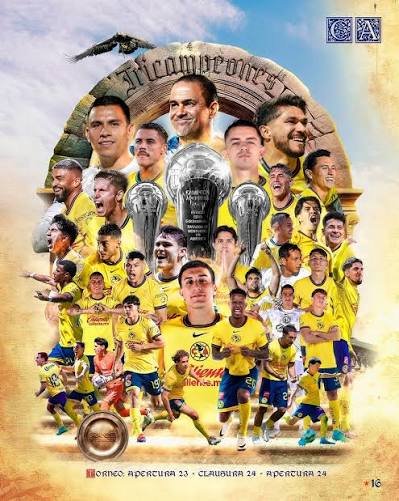
Football is more than just a sport for millions of fans around the world. It represents tradition, identity, competition, and community. In Mexican football, few clubs have a history and following as significant as Club América. Based in Mexico City, the club has become one of the most recognizable names in Mexican football and has built a legacy that spans more than a century.
Founded in 1916, Club América has experienced many different eras throughout its history. From its early beginnings as a group of young students to becoming one of the most successful clubs in the region, América has consistently attracted passionate supporters.
The Beginning of Club América
Club América was founded in 1916 by young students in Mexico City. According to the club’s official history, Rafael Garza Gutiérrez and his cousin Germán Núñez Cortina helped create the team with other students. The club eventually adopted the name América and began its journey in Mexican football.
The early years were important in establishing the identity of the team. Its traditional colors and distinctive personality helped create a foundation that would remain important throughout its long history.
In 1917, América formally entered the First Force competition after successfully completing the required qualification matches. Although the team’s first championship campaign was difficult, the experience helped the young club develop and compete at a higher level.
Growth and Development
During its early decades, Club América went through several changes. The team competed in different competitions and continued developing its footballing identity.
The club also played an important role during the early development of organized football in Mexico. In 1922, América participated in the inaugural match of the newly established national league structure, defeating España 2–0.
This period helped establish América as an important part of Mexican football history. Over the following decades, the club continued to grow both on and off the pitch.
A Club With a Strong Identity
One of the most recognizable features of Club América is its identity. The club’s colors, eagle symbol, and passionate supporters have helped create a strong connection between the team and its fan base.
Supporters often refer to the club as “Las Águilas,” reflecting the eagle associated with the team’s image. This identity has become an important part of the club’s culture.
Football clubs with long histories often develop traditions that are passed from one generation to another. América is a good example of this, with many families supporting the club across generations.
Success in Mexican Football
Club América has enjoyed considerable success in domestic football. Its achievements have helped establish it as one of the most successful clubs in Mexico.
Domestic success has also contributed to the club’s reputation beyond Mexico. América has regularly competed in major regional competitions, giving its players and supporters opportunities to experience high-level international football.
The club’s record in the Concacaf Champions Cup is particularly notable. Concacaf lists América with seven titles in the competition, making it one of the tournament’s most successful clubs.
Club América and Its Supporters
A football club is nothing without its supporters, and América has a large and passionate fan base. Supporters follow the team during home and away matches and celebrate the club’s successes while remaining committed during difficult periods.
The connection between a club and its fans can influence the atmosphere surrounding matches. Football stadiums become places where supporters share excitement, disappointment, traditions, and unforgettable memories.
For many América supporters, following the team is not simply about watching individual matches. It is part of a broader football culture that can continue throughout their lives.
Rivalries and Mexican Football
Rivalries are an important part of football culture, and Club América has been involved in some of the most recognizable rivalries in Mexican football.
Matches against major opponents often attract significant attention from fans and media. These games can carry additional importance because of the history between the clubs and the passionate support surrounding them.
Rivalry matches also contribute to the popularity of Liga MX by creating exciting moments and giving supporters something to look forward to throughout the season.
Club América in Modern Football
Modern football is very different from the game played when América was founded. Technology, media coverage, player development, sponsorships, and international audiences have transformed the sport.
Club América has continued to adapt to these changes. The club now reaches supporters through digital platforms, social media, online content, and modern broadcasting.
The official club website regularly publishes news, team information, ticketing updates, and other content for supporters.
The club has also developed a strong presence beyond Mexico. Its large following in the United States and other countries demonstrates how Mexican football has developed an international audience.
Why Club América Remains Popular
There are several reasons why Club América continues to attract attention. Its long history gives supporters a connection to the past, while its competitive ambitions keep fans interested in the present.
The club’s distinctive identity also makes it easy to recognize. The eagle symbol, traditional colors, famous players, historic matches, and championship celebrations all contribute to the team’s reputation.
Another important factor is the emotional side of football. Supporters can develop strong connections with clubs because they associate them with family memories, childhood experiences, friendships, and important moments in their lives.
Looking Toward the Future
As football continues to evolve, Club América faces the challenge of maintaining its historic standards while adapting to a changing sporting environment.
Player development, modern training methods, international competitions, digital media, and fan engagement will continue to influence the future of the club.
The history of América demonstrates that successful football clubs must constantly develop while preserving the traditions that make them unique. With more than 100 years of history behind it, the club has a strong foundation for the future.
Conclusion
Club América is much more than a football team. Its history stretches back to 1916, and over the decades it has become one of the most recognizable clubs in Mexican football. From its beginnings with a group of young students to its success in domestic and international competitions, América has built a remarkable football legacy.
Its passionate supporters, famous identity, historic rivalries, and competitive achievements continue to make the club an important part of Mexican football culture.
For football fans, the story of Club América is a story of tradition, ambition, competition, and loyalty. As the sport continues to change, the club’s long history provides a strong connection between its past achievements and its future goals.