

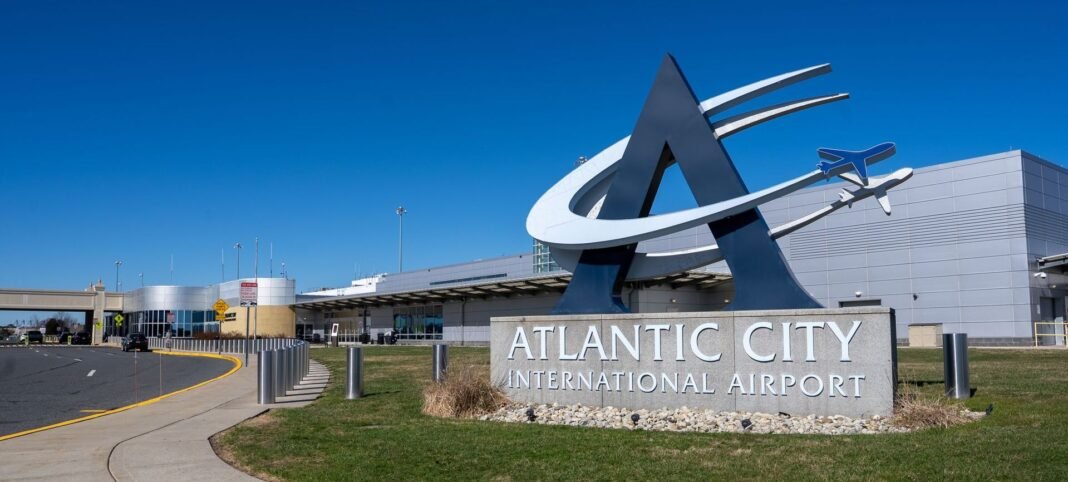
An airport is one of the most important parts of modern transportation. It connects cities, countries, and continents, allowing millions of people to travel quickly and conveniently around the world. Whether someone is traveling for business, going on vacation, visiting family, or moving to another country, airports play an essential role in making air travel possible.
Modern are much more than places where airplanes take off and land. They are large transportation centers that include passenger terminals, security areas, baggage facilities, restaurants, shopping stores, parking areas, lounges, and many other services. Some of the world’s largest are so big that passengers may need trains or shuttle buses to travel between different terminals.
What Is an Airport?
An is a designated location where aircraft can take off, land, park, and receive necessary services. Airports are designed to handle different types of aircraft, from small private planes to large commercial airplanes.
A typical has one or more runways, taxiways, aircraft parking areas, and passenger terminals. Runways are used by airplanes for takeoff and landing, while taxiways allow aircraft to move safely between runways and parking areas.
can be small or extremely large. A small regional airport may handle only a few flights each day, while an international can serve thousands of passengers and hundreds of flights every day.
Different Types of Airports
There are several types of airports, depending on their size, purpose, and location.
International Airports
International handle flights between different countries. They normally have customs and immigration facilities where travelers can complete the necessary procedures before entering or leaving a country.
These often provide a wide range of services because they serve large numbers of international travelers. Duty-free shops, currency exchange counters, restaurants, hotels, lounges, and transportation services are commonly available.
Domestic Airports
Domestic mainly operate flights within the same country. They are often smaller than international airports but can still handle a significant number of passengers.
For example, a traveler may use a domestic to fly from one city to another without crossing an international border.
Regional Airports
Regional generally serve smaller cities and nearby communities. They provide an important connection between less-populated areas and major cities.
Regional can make travel easier for people who would otherwise have to travel long distances by road or train to reach a larger .
Important Areas Inside an Airport
contain many different sections, each serving a specific purpose. Understanding these areas can make traveling less stressful.
The check-in area is where passengers confirm their flights, receive boarding passes, and check luggage. Many airlines now provide online check-in, but passengers may still need to visit a counter or baggage-drop area.
After check-in, passengers usually go through security. Security officers check passengers and their belongings to ensure that prohibited or dangerous items do not enter restricted areas.
The departure lounge is where travelers wait for their flights after completing security procedures. It may contain seating areas, restaurants, shops, charging stations, and information screens.
The boarding gate is the location where passengers wait before entering the aircraft. Travelers should pay attention to screens because gate numbers and departure times can sometimes change.
After landing, passengers usually follow signs toward baggage claim, where checked luggage is collected. International travelers may also need to pass through immigration and customs.
How to Have a Smooth Airport Experience
travel can be simple when passengers prepare in advance. One of the most important things is arriving at the with enough time before departure.
Travelers should check their flight details before leaving home. This includes the departure time, terminal, baggage allowance, and check-in requirements. Keeping important travel documents easily accessible can also save time.
Packing carefully is another important step. Passengers should check the airline’s rules regarding luggage size, weight, liquids, electronics, and restricted items. Following these rules can help avoid delays at security or check-in.
It is also useful to keep essential items such as identification documents, medication, mobile phones, chargers, and travel information in an easily accessible bag.
Airport Transportation
Getting to and from an is another important part of air travel. Depending on the location, travelers may use taxis, buses, trains, private cars, ride-sharing services, or shuttles.
Large airports often have dedicated transportation systems that connect the airport with nearby cities and neighborhoods. Some airports also provide long-term and short-term parking facilities for passengers who prefer to drive.
Choosing transportation in advance can reduce stress, especially when traveling during busy periods. Travelers should consider traffic, weather conditions, and possible delays when deciding when to leave for the airport.
Services Available at Modern
Modern offer many services designed to improve the passenger experience. Restaurants and cafés allow travelers to eat before their flights, while retail stores provide shopping opportunities.
Many major also offer free or paid Wi-Fi, charging stations, information desks, currency exchange services, medical facilities, prayer rooms, lounges, and family-friendly areas.
Business travelers may benefit from lounges that provide comfortable seating, workspaces, internet access, and refreshments. Some also have hotels nearby or directly connected to their terminals.
Accessibility has also become an important part of design. Many airports provide wheelchair assistance, accessible restrooms, elevators, special seating, and other services for passengers with disabilities.
Technology at Airports
Technology has transformed the experience. Passengers can now check in online, download digital boarding passes, track flights, and receive updates through mobile applications.
Many use automated passport-control systems and self-service check-in machines. Some are also introducing biometric technology to make identity verification faster and more efficient.
Digital information screens help passengers find gates, baggage-claim areas, and transportation services. These technologies can reduce waiting times and make airport operations more organized.
The Importance of Airports to the Economy
contribute significantly to local and national economies. They create jobs for airline employees, security officers, ground staff, baggage handlers, restaurant workers, maintenance teams, transportation providers, and many other professionals.
also support tourism and international business. When people can travel easily to a destination, hotels, restaurants, shops, transportation companies, and tourist attractions can benefit.
Cargo and airport cargo facilities are also important for international trade. Businesses depend on air transportation to move valuable or time-sensitive products between different parts of the world.
The Future of Airports
The future of is expected to focus on convenience, technology, safety, and sustainability. Smart airport systems may allow passengers to complete more travel procedures automatically, reducing lines and waiting times.
are also working to reduce their environmental impact. Renewable energy, energy-efficient buildings, electric ground vehicles, improved waste management, and more efficient aircraft operations can help create greener airports.
As air travel continues to develop, airports will remain an essential part of global transportation. Their role will become even more important as cities grow and international connections expand.
Conclusion
An is much more than a place where airplanes arrive and depart. It is a complex transportation center that connects people, businesses, and communities across the world. From check-in and security to boarding, baggage collection, and transportation, every part of the is designed to support safe and efficient travel.
With modern technology, improved passenger services, and a growing focus on sustainability, are constantly changing. Whether you are an experienced traveler or visiting an airport for the first time, understanding how airports work can make your journey more comfortable and enjoyable.