

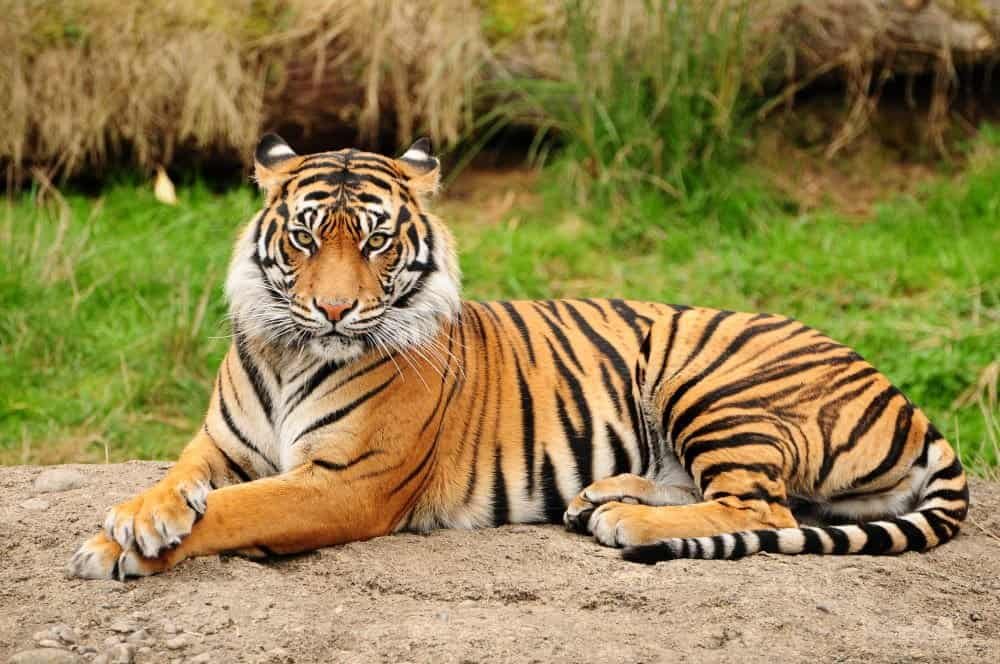
Animals are one of the most fascinating parts of life on Earth. They live in almost every environment, from deep oceans and tropical forests to deserts, mountains, grasslands, and even cities. come in countless shapes, sizes, colors, and behaviors. Some are tiny insects that can fit on a fingertip, while others, such as elephants and whales, are among the largest living creatures on the planet.
The world is incredibly diverse, and every species plays an important role in nature. Learning about animals helps us understand ecosystems, biodiversity, and the importance of protecting the natural world.
What Are Animals?
living organisms that generally need food to survive and obtain energy from other organisms. Unlike plants, cannot usually produce their own food through photosynthesis. Most move from one place to another at some stage of their lives and respond to changes in their surroundings.
There are millions of species around the world. Scientists continue to discover and study new species, especially in unexplored forests, oceans, caves, and other remote environments.
can be broadly divided into two major groups: vertebrates and invertebrates. Vertebrates have a backbone, while invertebrates do not.
Different Types of Animals
The kingdom contains many different groups. Each group has unique characteristics that help its members survive.
Mammals
Mammals are that usually have hair or fur and feed their young with milk. Humans are also mammals. Other examples include dogs, cats, elephants, lions, bears, horses, dolphins, and whales.
Mammals can live in many different habitats. Dolphins and whales live in oceans, while camels are specially adapted to dry deserts. Polar bears have adaptations that help them survive in extremely cold environments.
Birds
Birds are known for their feathers, beaks, and wings. Many birds can fly, although some species, such as penguins and ostriches, cannot fly.
Birds can be found almost everywhere. Eagles, parrots, sparrows, owls, peacocks, and penguins are just a few examples. Birds play important roles in ecosystems by spreading seeds, controlling insects, and helping plants reproduce through pollination.
Reptiles
Reptiles are generally cold-blooded covered with scales or similar protective structures. Snakes, turtles, crocodiles, lizards, and iguanas are common examples.
Many reptiles depend on their surrounding environment to regulate their body temperature. Some live primarily on land, while others spend much of their lives in water.
Amphibians
Amphibians are that often spend part of their lives in water and part on land. Frogs, toads, salamanders, and newts are examples.
Amphibians are particularly important indicators of environmental health because many species are sensitive to pollution and changes in their habitats.
Fish
Fish are aquatic that live primarily in freshwater or saltwater environments. They use gills to obtain oxygen from water and have bodies adapted for swimming.
There are thousands of fish species, ranging from tiny reef fish to enormous whale sharks. Fish are important parts of aquatic food chains and are also an important source of food for many human communities.
Invertebrates
Invertebrates make up a huge portion of the animal kingdom. They include insects, spiders, worms, jellyfish, crabs, lobsters, octopuses, and many other creatures.
Insects are particularly diverse. Butterflies, bees, ants, beetles, and grasshoppers all belong to this group. Many insects are essential for pollination and nutrient recycling.
Where Do Animals Live?
Animals have adapted to almost every environment on Earth. Forests are home to monkeys, birds, insects, big cats, reptiles, and countless other species. Grasslands support animals such as zebras, giraffes, lions, and antelopes.
Deserts may appear empty, but they contain specially adapted animals such as camels, desert foxes, snakes, and lizards. Polar regions are home to animals that can survive freezing temperatures, including penguins, seals, and polar bears.
The oceans contain an enormous variety of animals. Whales, dolphins, sharks, sea turtles, octopuses, and millions of smaller organisms live beneath the surface.
Why Are Animals Important?
Animals are essential for healthy ecosystems. Every species contributes to nature in some way. Predators help control populations of other animals, while herbivores influence plant growth. Birds and insects can spread seeds and pollinate plants, and many animals help break down organic material.
Animals are also important to humans. They provide food, materials, companionship, transportation, and opportunities for scientific research. Pets such as dogs and cats have become important companions for millions of families around the world.
Wild animals also contribute to tourism and education. National parks and wildlife reserves attract visitors who want to observe animals in their natural habitats.
Animal Behavior
Animal behavior is another fascinating part of the natural world. Different animals communicate, find food, protect themselves, reproduce, and care for their young in unique ways.
Wolves may cooperate in groups when hunting, elephants can live in social family groups, and many birds communicate using songs and calls. Some animals migrate over enormous distances to find food or suitable breeding conditions.
Animals also have different methods of protecting themselves. Some use camouflage to blend into their surroundings, while others rely on speed, strength, shells, sharp teeth, venom, or warning colors.
Threats Facing Animals
Despite their importance, many animals face serious threats. Habitat destruction is one of the biggest problems. Forests, wetlands, grasslands, and coastal environments are being changed by agriculture, construction, pollution, and other human activities.
Climate change can also affect animals by changing temperatures, rainfall patterns, food availability, and migration routes. Pollution can harm animals directly or damage the environments they depend on.
Illegal hunting and wildlife trafficking are additional threats to many species. Some animals are hunted for their meat, skin, horns, tusks, or other body parts.
How Can We Protect Animals?
Protecting requires cooperation between governments, organizations, communities, and individuals. Creating protected areas can provide safe habitats where wildlife can live and reproduce.
People can also help by reducing pollution, avoiding products connected to illegal wildlife trade, protecting natural habitats, and supporting responsible conservation programs.
Keeping pets responsibly is another important part of animal welfare. Pets need appropriate food, clean water, shelter, exercise, veterinary care, and attention.
Education is equally important. When people understand the value of and biodiversity, they are more likely to support conservation efforts.
The Importance of Respecting
Animals are an essential part of our planet. They have evolved over millions of years and developed remarkable abilities that allow them to survive in different environments. From the smallest insects to the largest whales, every species contributes to the balance of nature.
Understanding can inspire curiosity and encourage people to care about the environment. Children can learn about wildlife through books, documentaries, museums, zoos, and responsible outdoor activities. Adults can contribute by making environmentally responsible choices and supporting conservation.
Conclusion
Animals make our planet more diverse, balanced, and fascinating. They live in forests, oceans, deserts, mountains, grasslands, and even alongside humans in urban areas. Every species has unique characteristics and plays a role in its ecosystem.
However, many are facing increasing challenges because of habitat loss, pollution, climate change, and illegal hunting. Protecting wildlife is therefore not only about saving individual species but also about maintaining healthy ecosystems for future generations.
By learning about respecting wildlife, protecting habitats, and making responsible environmental choices, people can help create a safer future for the incredible creatures that share our planet.