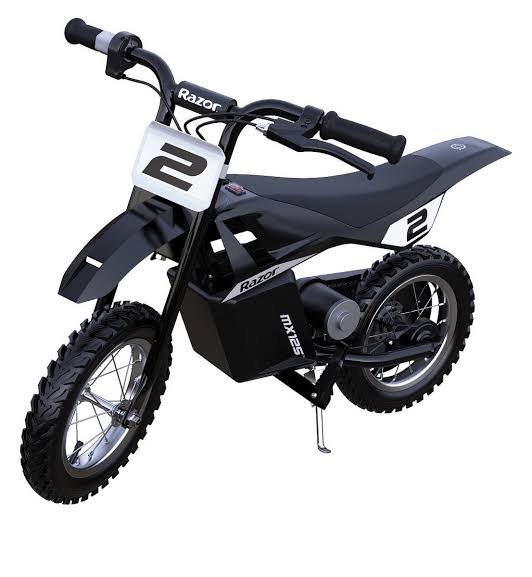

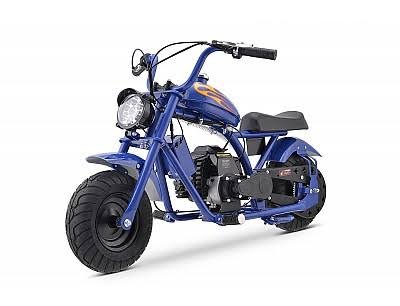
A mini bike is a compact, lightweight motorcycle-style vehicle designed for recreational riding, learning, and short-distance use where permitted. Because of its smaller size compared with a standard motorcycle, a mini bike can be an interesting option for people who want to experience two-wheeled riding in a simpler format. Mini bikes are available in different designs, engine types, and sizes, making it important to understand their features before choosing one.
Whether you are researching mini bikes for yourself, looking for a beginner-friendly option, or simply curious about how these small vehicles work, this guide covers the main things you should know.
What Is a Mini Bike?
A mini bike is a small motorized two-wheeled vehicle that generally has a compact frame, smaller wheels, and a relatively low seat height. Traditional models were often simple machines with basic controls, while modern versions can include improved suspension, braking systems, electric motors, and more comfortable designs.
The compact construction is one of the main reasons people are interested in a mini bike. Compared with a full-size motorcycle, a mini bike usually takes up less storage space and can be easier to move when it is not being ridden.
However, the exact specifications of a mini bike can vary significantly. Some models are designed primarily for recreational or private-property use, while others may meet requirements for specific road use depending on local laws.
Why Are Mini Bikes Popular?
One major reason for the popularity of the mini bike is its compact design. A smaller vehicle can be convenient to store and transport, especially for people who do not have much garage space.
Another advantage is the variety of models available. Buyers can find mini bikes with different frame designs, engine capacities, and features. Electric models are also becoming increasingly popular because they can offer quiet operation and a simple riding experience.
Mini bikes can also be appealing to people who enjoy learning about mechanical systems. Some enthusiasts like maintaining, customizing, or restoring these small vehicles as a hobby.
Different Types of Mini Bikes
There is no single type of mini bike. Different models are designed for different purposes.
Gas-Powered Mini Bikes
Gas-powered mini bikes use small internal-combustion engines. They have traditionally been popular among recreational riders and mechanical enthusiasts. Their design can be relatively simple, although maintenance requirements vary from one model to another.
Anyone considering a gas-powered model should understand the manufacturer’s requirements and local rules regarding fuel, operation, storage, and riding areas.
Electric Mini Bikes
Electric mini bikes use rechargeable batteries and an electric motor. They are generally quieter than gas-powered models and can have fewer routine mechanical components.
Battery capacity, charging time, range, weight, and motor specifications are important factors to consider when comparing electric mini bikes.
Off-Road Mini Bikes
Some mini bikes are designed for suitable off-road environments and private riding areas. These models may feature stronger frames, tires designed for uneven surfaces, and suspension components intended for appropriate terrain.
Off-road riding still requires responsible behavior, suitable protective equipment, and an appropriate riding environment.
Important Features to Consider
Before purchasing a mini bike, it is useful to compare several features rather than focusing only on appearance or price.
Engine or motor: The power system affects performance, weight, maintenance, and operating costs. Choose a model that matches your intended use and experience level.
Frame: A strong and appropriately sized frame is important for stability and durability. Check the manufacturer’s recommended rider specifications.
Brakes: Reliable brakes are one of the most important features of any motorized two-wheeler. Look for a properly maintained braking system that is suitable for the model.
Tires: Tire design affects how the mini bike behaves on different surfaces. Always use tires appropriate for the intended riding environment.
Seat height: A comfortable seat height can make it easier for a rider to maintain control and balance.
Weight: A lighter mini bike may be easier to transport, but the overall weight should still be appropriate for the rider and vehicle design.
Battery capacity: For an electric mini bike, battery capacity and charging requirements are especially important. Consider how far you expect to ride and how often the battery can be recharged.
Safety Should Always Come First
Although a mini bike is smaller than a full-size motorcycle, it is still a motorized vehicle capable of causing injury. Riders should treat it seriously and follow the manufacturer’s instructions.
Appropriate protective equipment can include a properly fitted helmet, gloves, suitable footwear, and protective clothing. Riders should also use a suitable riding area and avoid environments where mini bikes are not legally permitted.
Young or inexperienced riders should receive appropriate supervision and instruction. It is also important to understand local regulations because requirements for registration, licensing, age, equipment, and road use can differ by location.
Never assume that a mini bike is automatically legal to operate on public roads simply because it is small. Checking local laws before riding is an important part of responsible ownership.
Maintenance Tips for a Mini Bike
Regular maintenance can help keep a mini bike in good working condition. Owners should follow the maintenance schedule provided by the manufacturer.
For gas-powered models, routine checks may involve engine-related components, fluids, fuel systems, chains, and air filters. Electric models may require attention to battery condition, charging equipment, electrical connections, tires, and brakes.
The chain should be kept appropriately adjusted and maintained according to the manufacturer’s recommendations. Tires should also be inspected regularly for damage and proper inflation.
If you notice unusual sounds, braking problems, damaged components, or other mechanical issues, stop using the mini bike until the problem has been properly inspected and addressed.
How to Choose the Right Mini Bike
Choosing the right mini bike depends on your intended use. Start by deciding where you legally plan to use it. A model intended for private recreational riding may have different features from a vehicle designed to meet road-use requirements.
Next, consider the rider’s size, experience, and comfort. A mini bike should not be selected simply because it looks powerful or stylish. The vehicle should be appropriate for the rider and the environment in which it will be used.
Budget is another important consideration. The initial purchase price is only part of the total cost. Buyers should also think about maintenance, replacement parts, protective equipment, charging or fuel costs, and storage.
Final Thoughts
A mini bike can be an enjoyable and interesting form of recreational transportation when it is used responsibly and in an appropriate environment. Its compact design, variety of models, and relatively simple construction have helped make it popular among enthusiasts.
Before buying one, research the vehicle’s specifications, safety features, maintenance requirements, and local regulations. Most importantly, choose a model that matches the rider’s experience and intended use.
With proper preparation, responsible riding habits, and regular maintenance, a mini bike can provide an enjoyable way to explore the world of small motorized two-wheelers while keeping safety and legal requirements at the center of the experience.