

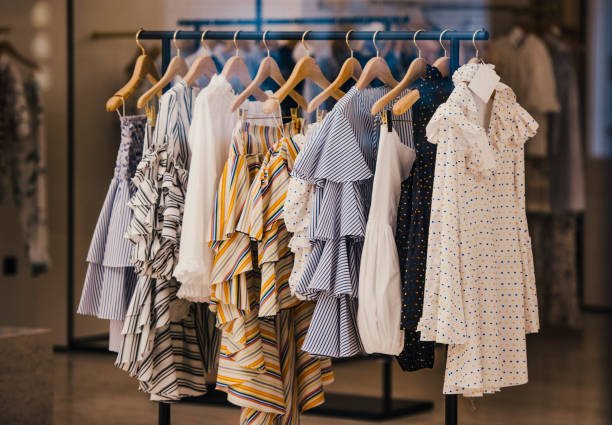
Clothes are an important part of everyday life. We wear them to protect our bodies from different weather conditions, feel comfortable, express our personality, and create a good impression. From simple T-shirts and jeans to formal suits and elegant dresses, clothes come in countless styles, colors, materials, and designs. Choosing the right clothes can make a person feel confident and comfortable throughout the day.
Today, the clothing industry offers more choices than ever before. People can shop for physical stores, online shops, marketplaces, and even through social media platforms. With so many options available, understanding different and knowing how to choose them can make shopping easier and more enjoyable.
Why Are Clothes Important?
Clothes serve several important purposes. The most basic purpose is protection. protect the body from sunlight, cold temperatures, wind, rain, dust, and other environmental conditions. For example, jackets and sweaters are useful during cold weather, while lightweight shirts and shorts are more suitable for hot temperatures.
also help people express their individual style. The colors, patterns, brands, and designs someone chooses can reflect their personality and preferences. Some people prefer simple and comfortable clothing, while others enjoy fashionable and eye-catching styles.
Another important benefit of is confidence. Wearing an outfit that fits well and feels comfortable can improve the way a person feels about themselves. This is especially important for events such as job interviews, weddings, business meetings, parties, and other social occasions.
Different Types of Clothes
There are many different types of available for men, women, and children. Each type is designed for a particular purpose or occasion.
Casual Clothes
Casual are designed for everyday activities. T-shirts, jeans, hoodies, casual shirts, sweatshirts, shorts, and comfortable trousers are common examples. These clothes are generally easy to wear and provide comfort during regular activities.
Casual is suitable for shopping, meeting friends, traveling, relaxing at home, or going for a casual outing. Many people prefer cotton and other breathable materials for everyday clothing because they are comfortable for long periods.
Formal Clothes
Formal are usually worn for professional or special occasions. Examples include suits, dress shirts, formal trousers, blazers, skirts, formal dresses, and elegant coats.
Formal clothing is particularly important in workplaces, interviews, conferences, weddings, and business events. Choosing the right formal outfit can create a professional and confident appearance.
Sports and Activewear
Sports are designed for physical activities such as running, exercising, cycling, playing football, or going to the gym. Activewear is usually made from lightweight and flexible materials that allow easy movement.
Good sports clothes can help keep the body comfortable during exercise by allowing air circulation and managing moisture. Proper footwear is also an important part of sports clothing.
Winter Clothes
Winter are designed to keep the body warm in cold weather. Jackets, coats, sweaters, scarves, gloves, woolen hats, and thermal clothing are common examples.
When choosing winter warmth and comfort should be considered. Layering is another useful approach because several clothing layers can provide better protection against cold weather while allowing the wearer to remove a layer when temperatures become comfortable.
Summer Clothes
Summer clothing is generally lightweight and breathable. Cotton shirts, T-shirts, shorts, lightweight trousers, skirts, and summer dresses are popular choices.
Light-colored are often preferred during hot weather because they can feel cooler and are suitable for sunny conditions. Breathable fabrics can also make a significant difference in comfort.
How to Choose the Right Clothes
Choosing the right does not always mean following the latest fashion trends. Comfort, quality, fit, occasion, and personal style should all be considered.
First, choose clothes that fit properly. that are too tight can restrict movement, while extremely loose clothing may not provide the desired appearance. A good fit should allow comfortable movement without feeling restrictive.
Second, consider the material. Cotton is popular because it is soft and breathable. Wool can provide warmth during cold weather, while synthetic fabrics are often used for sportswear because of their flexibility and moisture-management properties.
Color is another important factor. Neutral colors such as black, white, gray, navy, and beige are easy to combine with other clothing. Brighter colors and patterns can be used when someone wants a more noticeable appearance.
The occasion should also influence your clothing choice. Wearing sportswear to a formal business meeting may not create the right impression, while wearing a formal suit for a casual trip may feel uncomfortable and unnecessary.
Quality vs. Quantity
When buying, people often have to choose between purchasing many inexpensive items or investing in fewer high-quality pieces. Both approaches have advantages, but quality clothing can sometimes provide better long-term value.
High-quality are often made with stronger materials and better construction. They may maintain their shape and appearance after repeated washing and use. However, expensive does not automatically mean high quality. Buyers should check the fabric, stitching, fit, and overall construction before making a purchase.
A practical wardrobe can include a combination of basic clothing and a few special pieces. Basic items such as plain T-shirts, jeans, comfortable trousers, shirts, and jackets can be mixed and matched to create many outfits.
Buying Clothes Online
Online shopping has changed the way people buy clothes. Customers can now compare different products, check prices, read reviews, and order clothing without visiting a physical store.
However, buying clothes online requires some care. Always check the size chart before ordering because sizes can vary between brands. Product descriptions should also be reviewed carefully to understand the fabric, color, measurements, and care instructions.
Customer reviews can provide useful information about the actual fit and quality of an item. It is also important to understand the seller’s return and exchange policy before purchasing.
Taking Care of Clothes
Proper care can help clothes last longer. Washing clothing according to the manufacturer’s instructions is one of the easiest ways to maintain its quality. Some clothes require cold washing, while others may need hand washing or special cleaning.
Avoid using excessive heat on delicate fabrics. Proper storage is also important. Clothes should be folded or hung appropriately depending on their material and design.
Removing stains quickly can also prevent permanent damage. With regular care, good-quality clothes can remain useful and attractive for a long time.
Sustainable Clothing Choices
The clothing industry has a significant impact on the environment, which has increased interest in sustainable fashion. Consumers can make more responsible choices by buying clothes they actually need, choosing durable products, repairing damaged items, and donating clothes they no longer use.
Buying fewer but better-quality clothes can reduce unnecessary consumption. Second-hand clothing is another option that allows people to find unique items while extending the useful life of existing products.
Conclusion
Clothes are much more than something we wear every day. They provide protection, comfort, confidence, and an opportunity to express personal style. From casual clothes and sportswear to formal outfits and winter clothing, every type of clothing has a specific purpose.
When choosing clothes, consider factors such as comfort, fit, fabric, quality, occasion, weather, and personal preference. Online shopping can make finding clothing easier, but checking sizes, reviews, product information, and return policies is important.
A well-planned wardrobe does not need to contain hundreds of items. A selection of comfortable, versatile, high-quality clothes can provide plenty of outfit options for everyday life and special occasions. By making thoughtful clothing choices and taking proper care of garments, people can enjoy their clothes for longer while developing a style that feels uniquely their own.