

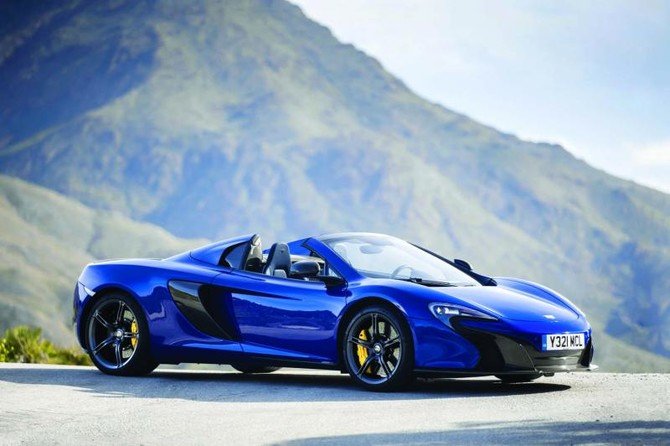
A car is more than just a vehicle used to travel from one place to another. For many people, a car is an important part of everyday life. It helps people commute to work, take their children to school, travel with family, run errands, and explore new places. With hundreds of car models available today, choosing the right one can sometimes feel confusing. Understanding the different types of important features, buying factors, and maintenance requirements can make the decision much easier.
What Is a Car?
A is a four-wheeled motor vehicle designed mainly for transporting people and small amounts of luggage. are available in many shapes, sizes, and designs. Some are designed for fuel efficiency, while others focus on comfort, performance, luxury, or off-road capability.Modern have developed significantly over the years. Older mainly focused on basic transportation, but today’s vehicles often include advanced safety systems, touchscreen displays, cameras, navigation, smartphone connectivity, automatic braking, and other technologies.
Different Types of Cars
There are many types of and each category is suitable for different needs.
Sedan
A sedan is one of the most common types of . It generally has four doors and a separate luggage compartment. Sedans are popular because they offer comfortable seating, good fuel economy, and practical designs for families and daily commuters.
SUV
Sport utility vehicles, commonly known as SUVs, have become extremely popular. They usually provide more interior space, higher seating positions, and larger luggage areas than many traditional. SUVs can be a good choice for families and people who frequently travel on different types of roads.
Hatchback
A hatchback is usually smaller and more compact than an SUV or sedan. Its rear door opens upward, providing easy access to the luggage area. Hatchbacks are popular in cities because they are generally easier to park and can offer good fuel efficiency.
Coupe
A coupe usually has a sporty design and often features two doors. Coupes are commonly chosen by people who prioritize style and driving performance.
Electric Car
Electric use electric motors powered by batteries instead of traditional gasoline or diesel engines. They can provide quiet driving and may reduce fuel expenses. As charging infrastructure improves, electric cars are becoming increasingly popular around the world.
How to Choose the Right Car
Choosing a should start with understanding your personal needs. Buying a vehicle simply because it looks attractive can lead to problems later.
First, consider how you will use the. If you mainly drive in a busy city, a smaller may be more practical. If you regularly travel with a large family, an SUV or spacious sedan could be more suitable.
Your budget is another important factor. The purchase price is not the only expense. You should also consider fuel, insurance, registration, servicing, repairs, tires, and other running costs.
Fuel economy is especially important for people who drive long distances. A that consumes less fuel can save a considerable amount of money over time.
New Car vs. Used Car
One of the biggest decisions when buying a is whether to purchase a new or used vehicle.
A new usually comes with the latest features, a manufacturer’s warranty, and no previous ownership history. However, new vehicles can be expensive, and their value generally decreases after purchase.
A used can be more affordable and may offer better value for buyers with a limited budget. However, buyers should carefully inspect the vehicle before making a purchase. Checking the engine, transmission, brakes, tires, suspension, body condition, and maintenance history can help identify potential problems.
If possible, a used should also be inspected by a trusted mechanic before completing the purchase.
Important Car Features
Modern offer many features designed to improve comfort, safety, and convenience.
Safety should always be one of the top priorities. Features such as airbags, anti-lock braking systems, electronic stability control, rear cameras, parking sensors, and automatic emergency braking can help improve protection for passengers.
Comfort features can include climate control, adjustable seats, keyless entry, cruise control, and smartphone connectivity.
Technology has also become an important part of modern cars. Many vehicles now offer touchscreen infotainment systems, Bluetooth, navigation, voice controls, and wireless smartphone integration.
However, having more features does not necessarily mean that a is better. Buyers should focus on features that they actually need and use.
Car Maintenance
Regular maintenance is essential for keeping a reliable and safe. Even a high-quality vehicle can develop problems if it is not properly maintained.
Engine oil should be changed according to the manufacturer’s recommended schedule. Tires should be checked regularly for proper pressure and uneven wear. Brake pads, battery condition, coolant, lights, filters, and other components should also be inspected.
Ignoring small problems can sometimes result in expensive repairs. For example, replacing a worn tire or brake component early may prevent more serious problems later.
Keeping service records is also useful. A complete maintenance history can increase a vehicle’s resale value and make it easier to identify previous repairs.
Improving Fuel Efficiency
Drivers can take several simple steps to reduce fuel consumption. Maintaining correct tire pressure, avoiding unnecessary acceleration, reducing excessive vehicle weight, and following a regular maintenance schedule can all help.
Smooth driving is generally more efficient than frequent hard acceleration and sudden braking. Planning routes carefully can also reduce unnecessary driving and save both fuel and time.
For people who drive frequently, comparing fuel costs before purchasing can be very useful.
The Future of Cars
The automotive industry is changing rapidly. Electric vehicles, hybrid technology, advanced driver-assistance systems, and connected-car technology are becoming increasingly common.
Electric cars may become more accessible as battery technology improves and charging networks expand. Hybrid vehicles also provide an alternative for drivers who want improved fuel efficiency without completely switching to an electric vehicle.
Future cars are also expected to become more connected. Drivers may be able to control more vehicle functions through smartphones and other digital systems.
Conclusion
A car can provide convenience, freedom, comfort, and reliable transportation. However, choosing the right vehicle requires careful consideration. Buyers should compare different types of cars, establish a realistic budget, research important features, and think about long-term ownership costs.
Whether you choose a sedan, SUV, hatchback, coupe, hybrid, or electric car, the best vehicle is one that matches your lifestyle and financial situation. Regular maintenance and responsible driving can also help keep your car safe, efficient, and reliable for many years.
By researching your options before buying and taking proper care of your vehicle afterward, you can make a smarter decision and enjoy a better driving experience.