

Introduction
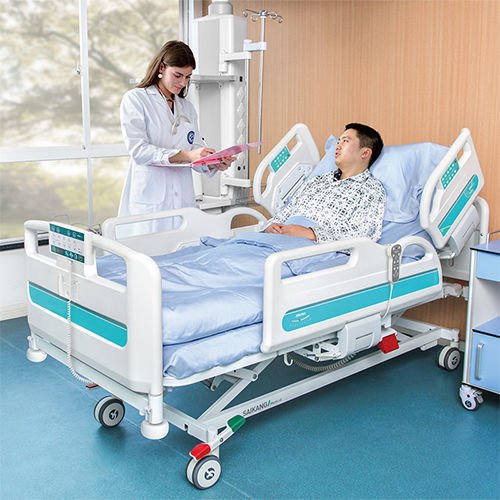
A hospital bed is one of the most important pieces of medical equipment used in hospitals, nursing homes, rehabilitation centers, and even private homes. Unlike a standard bed, a hospital bed is specifically designed to provide maximum comfort, support, and safety for patients while making caregiving easier for healthcare professionals and family members.
Whether someone is recovering from surgery, managing a long-term illness, or receiving elderly care, choosing the right hospital bed can significantly improve their quality of life. Modern hospital beds come with advanced features such as adjustable height, reclining positions, side rails, electric controls, and pressure-relief mattresses. These features help reduce discomfort, prevent injuries, and support faster recovery.
This guide explains everything you need to know about hospital beds, including their types, benefits, features, applications, maintenance, and tips for selecting the right model.
What Is a Hospital Bed?
A hospital bed is a specially engineered medical bed that allows different sections of the bed to be adjusted according to the patient’s needs. Unlike regular beds, hospital beds can raise or lower the head, legs, or the entire frame to improve comfort and support medical care.
Hospital beds are designed for patients who require extended rest, limited mobility, or ongoing medical attention. They also help caregivers perform daily tasks such as feeding, changing bedding, or assisting patients without unnecessary strain.
Types of Hospital Beds
Manual Hospital Bed
A manual hospital bed is operated using hand cranks. The caregiver manually adjusts the head, foot, or height of the bed. These beds are affordable, durable, and suitable for facilities with limited budgets.
Semi-Electric Hospital Bed
A semi-electric hospital bed combines manual and electric functions. The head and foot sections are adjusted with an electric motor, while the bed height is controlled manually. This option offers a balance between cost and convenience.
Fully Electric Hospital Bed
A fully electric hospital bed uses a remote control to adjust every position, including height, head elevation, and leg elevation. These beds are popular in hospitals and home healthcare because they provide maximum comfort and reduce caregiver effort.
Bariatric Hospital Bed
Bariatric hospital beds are designed for larger patients. They feature reinforced frames, wider sleeping surfaces, and higher weight capacities while maintaining stability and patient safety.
Pediatric Hospital Bed
Pediatric hospital beds are specially designed for infants and children. They include child-friendly safety features, secure side rails, and adjustable settings to meet pediatric healthcare needs.
Benefits of Using a Hospital Bed
Improved Patient Comfort
One of the biggest advantages of a hospital bed is its ability to provide personalized comfort. Patients can adjust sleeping positions to reduce pain, improve circulation, and breathe more easily.
Better Patient Safety
Most hospital beds include protective side rails that reduce the risk of accidental falls. Locking wheels also keep the bed securely in place during treatment or patient transfers.
Easier Caregiving
Adjustable bed height helps caregivers avoid excessive bending, reducing physical strain while assisting patients with meals, hygiene, medication, or repositioning.
Faster Recovery
Comfortable positioning can improve blood circulation, reduce pressure on sensitive areas, and encourage better sleep, all of which contribute to a smoother recovery process.
Greater Independence
Electric hospital beds allow many patients to change positions independently using a remote control, promoting confidence and reducing dependence on caregivers.
Essential Features of a Hospital Bed
When selecting a hospital bed, several important features should be considered.
Adjustable Height
Height adjustment makes patient transfers easier and improves caregiver ergonomics.
Adjustable Head and Foot Sections
Patients can elevate the head to eat, read, or breathe comfortably. Raising the legs can help reduce swelling and improve circulation.
Side Rails
Safety rails provide additional protection for patients with limited mobility or those at risk of falling.
Lockable Wheels
Hospital beds include wheels for mobility, but reliable locking mechanisms ensure stability during patient care.
Comfortable Mattress
Many hospital beds use pressure-relief mattresses designed to minimize pressure sores and improve overall comfort.
Hospital Bed Applications
Hospital beds are used in many healthcare settings.
Hospitals
Hospitals rely on adjustable hospital beds to provide safe and effective care for patients recovering from surgery, illness, or injury.
Home Healthcare
Families caring for elderly relatives or patients with chronic conditions often install a hospital bed at home to improve comfort and simplify caregiving.
Nursing Homes
Residents in long-term care facilities benefit from hospital beds that support mobility, comfort, and daily medical care.
Rehabilitation Centers
Patients recovering from accidents, strokes, or orthopedic procedures often require adjustable hospital beds during rehabilitation.
Hospice Care
Comfort is especially important in hospice care. Hospital beds help patients maintain comfortable positions while supporting caregivers during daily assistance.
Choosing the Right Hospital Bed
Selecting the best hospital bed depends on several factors.
Patient Needs
Consider the patient’s mobility, medical condition, and expected recovery period before selecting a bed.
Weight Capacity
Always choose a bed that safely supports the patient’s weight.
Available Space
Measure the room to ensure there is enough space for the bed, caregivers, and medical equipment.
Power Requirements
Fully electric beds require access to a reliable power source. Backup options should also be considered in case of outages.
Budget
Hospital beds are available at different price points. Evaluate the features you need rather than simply choosing the least expensive option.
Hospital Bed Maintenance Tips
Proper maintenance helps extend the life of a hospital bed and ensures patient safety.
- Clean the bed frame regularly using approved disinfectants.
- Inspect electrical components for signs of wear.
- Test brakes and wheel locks frequently.
- Check side rails for secure operation.
- Replace damaged parts promptly.
- Keep moving components properly lubricated according to manufacturer recommendations.
Routine inspections help identify potential issues before they become major problems.
Hospital Bed Accessories
Various accessories can improve the patient experience.
Popular accessories include:
- Pressure-relief mattresses
- Bedside tables
- Overbed trays
- IV poles
- Bedside storage pockets
- Patient lifting poles
- Waterproof mattress protectors
These additions enhance both comfort and convenience.
Common Mistakes When Buying a Hospital Bed
Many buyers focus only on price and overlook important factors. Common mistakes include:
- Choosing the wrong bed size.
- Ignoring weight capacity.
- Purchasing without measuring available space.
- Overlooking warranty coverage.
- Selecting unnecessary features that increase cost.
- Forgetting to consider future healthcare needs.
Taking time to compare options can prevent expensive mistakes.
The Future of Hospital Beds
Technology continues to improve hospital bed design. Modern models now include smart sensors that monitor patient movement, pressure distribution, and bed occupancy. Some advanced beds can integrate with hospital information systems to support healthcare staff with real-time data.
Manufacturers are also focusing on quieter motors, energy-efficient designs, antimicrobial materials, and enhanced patient comfort. These innovations aim to improve safety, reduce caregiver workload, and deliver better healthcare outcomes.
Conclusion
A hospital bed is far more than a place for patients to rest. It is an essential medical device that improves comfort, enhances safety, supports caregivers, and contributes to better recovery. From manual models to advanced fully electric systems, hospital beds are designed to meet the diverse needs of patients in hospitals, nursing homes, rehabilitation facilities, and home healthcare environments.
By carefully evaluating patient needs, essential features, and long-term requirements, families and healthcare providers can choose a hospital bed that offers both reliability and comfort. Investing in the right hospital bed is an investment in better care, improved recovery, and a higher quality of life for patients.