

Introduction
If you have ever admired the detailed carvings on ancient temples, historical monuments, or decorative walls, you have likely encountered bas relief art. Many people search for the bas relief meaning because they want to understand this fascinating artistic technique and its significance in history, architecture, and modern design.
Bas relief is one of the oldest forms of sculpture, used by civilizations for thousands of years to tell stories, honor rulers, celebrate religious beliefs, and dhttps://en.wikipedia.org/wiki/Reliefecorate buildings. Even today, artists and designers continue to use bas relief in homes, museums, public monuments, and commercial spaces because of its elegant appearance and timeless appeal.
In this guide, you’ll learn the true bas relief meaning, its history, characteristics, techniques, uses, and why it remains an important part of art and architecture.
What Is the Bas Relief Meaning?
The bas relief meaning refers to a sculptural technique in which figures or designs are carved so they project only slightly from a flat background. The term comes from the French phrase bas-relief, which literally means “low relief.”
Unlike fully three-dimensional sculptures that can be viewed from every angle, a bas relief sculpture remains attached to its background. The carved elements rise only a small distance above the surface, creating depth while maintaining a flat overall structure.
This technique allows artists to create detailed scenes without requiring the large amount of material needed for freestanding sculptures.
The History of Bas Relief
Understanding the bas relief meaning becomes easier when exploring its rich history. Bas relief has existed for thousands of years and has appeared in many of the world’s greatest civilizations.
Ancient Egypt
Egyptian artists used bas relief extensively on temple walls and tombs. These carvings depicted pharaohs, gods, religious ceremonies, and everyday life. Many of these works remain remarkably preserved today.
Mesopotamia
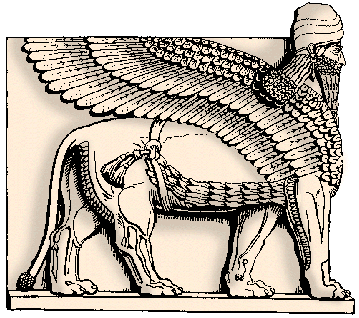
The Assyrians created magnificent stone reliefs showing military victories, royal ceremonies, and hunting scenes. These artworks served both decorative and historical purposes.
Ancient Greece
Greek sculptors refined bas relief techniques, using them to decorate temples, monuments, and public buildings. Their work emphasized realistic human anatomy and balanced compositions.
Ancient Rome
Roman artists adopted Greek traditions and expanded them further. Triumphal arches, public monuments, and government buildings frequently featured detailed bas relief carvings celebrating military achievements.
Renaissance Europe
During the Renaissance, famous artists revived classical sculpture techniques. Bas relief became popular for churches, cathedrals, palaces, and civic buildings throughout Europe.
Characteristics of Bas Relief
Several unique features define the bas relief meaning and distinguish it from other forms of sculpture.
Low Projection
The carved figures project only slightly from the background.
Flat Background
The artwork remains connected to a flat surface rather than standing independently.
Visual Depth
Artists create the illusion of depth through careful carving, shading, and perspective.
Detailed Composition
Bas relief often includes intricate details such as clothing, facial expressions, animals, plants, and architectural elements.
Storytelling
Many bas relief artworks tell historical events, myths, religious stories, or cultural traditions.
Materials Used in Bas Relief
Artists create bas relief using a wide variety of materials depending on the project’s purpose and budget.
Common materials include:
- Stone
- Marble
- Limestone
- Wood
- Clay
- Bronze
- Concrete
- Plaster
- Resin
- Metal
Modern artists often combine traditional craftsmanship with advanced tools to produce highly detailed relief sculptures.
How Bas Relief Is Created
Creating bas relief requires patience, planning, and artistic skill.
Step 1: Designing the Artwork
The artist first sketches the design, ensuring that all elements fit within the available surface.
Step 2: Transferring the Design
The drawing is carefully transferred onto stone, wood, plaster, or another material.
Step 3: Carving
Using chisels, carving knives, or modern rotary tools, the artist removes material around the design while leaving the main figures raised.
Step 4: Refining Details
Fine tools help create facial expressions, clothing textures, and decorative patterns.
Step 5: Finishing
The sculpture may be polished, painted, sealed, or left natural depending on the desired appearance.
Bas Relief vs. High Relief
People often confuse bas relief with high relief, but they are different sculptural techniques.
Bas Relief
- Low projection from the background
- Subtle depth
- Elegant appearance
- Common in architecture and decorative panels
High Relief
- Figures project much farther outward
- Greater three-dimensional effect
- Deeper shadows
- More dramatic visual impact
Understanding this distinction helps explain the true bas relief meaning.
Modern Uses of Bas Relief
Although the technique is ancient, bas relief remains popular today.
Home Decoration
Many homeowners install decorative wall panels featuring floral, geometric, or classical bas relief designs.
Commercial Buildings
Hotels, offices, restaurants, and shopping centers use bas relief artwork to create elegant interiors.
Religious Buildings
Churches, temples, and mosques often feature carved reliefs representing religious stories and symbols.
Museums
Museums preserve ancient bas relief sculptures that provide valuable insights into past civilizations.
Public Monuments
Governments commission bas relief sculptures to honor historical figures, national heroes, and important events.
Why Artists Love Bas Relief
Artists continue using bas relief because it combines sculpture and visual storytelling in a unique way.
Advantages include:
- Space-efficient design
- Rich visual texture
- Historical significance
- Long-lasting durability
- Elegant decorative appeal
- Suitable for indoor and outdoor installation
Bas relief also allows viewers to appreciate complex scenes without requiring large freestanding sculptures.
Famous Examples of Bas Relief
Throughout history, many remarkable bas relief artworks have gained worldwide recognition.
Some famous examples include:
- Egyptian temple carvings
- Roman triumphal arches
- Greek temple friezes
- Medieval cathedral decorations
- Renaissance church sculptures
- Modern memorial monuments
Each example demonstrates how artists adapted the bas relief technique to different cultures and artistic styles.
Tips for Appreciating Bas Relief Art
If you want to better understand bas relief, keep these points in mind:
- Observe how little the figures project from the surface.
- Notice the use of light and shadow to create depth.
- Look for storytelling elements within the composition.
- Pay attention to textures and fine details.
- Compare it with high relief sculptures to recognize the differences.
These observations will deepen your appreciation of this timeless art form.
Conclusion
The bas relief meaning goes far beyond a simple artistic definition. It represents one of humanity’s oldest and most enduring sculptural traditions. By carving figures that project only slightly from a flat background, artists create works that combine elegance, storytelling, and technical skill.
From the temples of Ancient Egypt to modern architectural designs, bas relief has remained a powerful way to preserve history, express creativity, and beautify spaces. Whether you are an art enthusiast, student, designer, or simply curious about sculpture, understanding the bas relief meaning provides a deeper appreciation of this remarkable artistic technique.
As art continues to evolve, bas relief remains a timeless expression of craftsmanship that connects the achievements of ancient civilizations with the creativity of today’s artists.