

Introduction
A healthy lawn can make a home, garden, or outdoor space look fresh and inviting. However, keeping grass healthy is not always easy. Weeds can appear unexpectedly, compete with grass for resources, and make an otherwise attractive lawn look untidy. This is where the term weed and feed becomes important in lawn care.
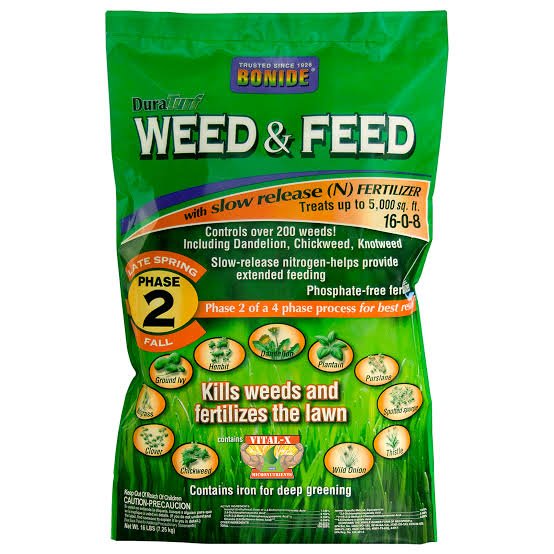
Weed and feed generally refers to lawn-care products or approaches designed to address weeds while also supporting the growth of desirable grass. The idea is convenient because homeowners can focus on two common lawn problems at the same time: unwanted plants and weak-looking grass.
However, successful lawn care involves more than simply using a product. Understanding your grass type, identifying weeds, improving soil conditions, and maintaining good watering and mowing habits are all important parts of creating a healthy lawn.
What Is Weed and Feed?
Weed and feed is a general term used for lawn-care treatments that combine weed management with a fertilizer component. The weed-control portion is intended to target certain unwanted plants, while the fertilizer component provides nutrients that can support grass growth.
Different products are designed for different types of lawns and weeds, so it is important to understand that not every weed and feed product works in exactly the same way.
Some treatments are intended for particular grass varieties, while others may be unsuitable for certain lawns. Reading the product label and following its safety directions is therefore essential.
The basic concept is simple: control unwanted weeds while giving the lawn nutrients that support healthy growth.
Why Do Weeds Appear in Lawns?
Weeds can develop for many reasons. Bare patches, compacted soil, inconsistent watering, poor lawn density, and environmental conditions can all create opportunities for unwanted plants to grow.
When grass is thin or unhealthy, there is more available space for weeds to establish themselves.
Common lawn weeds can include broadleaf plants and grassy weeds. Their appearance can vary depending on climate, soil conditions, season, and location.
Instead of focusing only on removing existing weeds, homeowners can also work on creating conditions that help desirable grass become stronger and more competitive.
Benefits of Weed and Feed
One of the main advantages associated with weed and feed is convenience.
Traditional lawn maintenance may involve several separate tasks. A homeowner might need to manage weeds, improve soil nutrition, maintain appropriate mowing habits, and monitor the lawn’s overall condition.
A combined approach can simplify part of that process.
Another potential benefit is improved lawn appearance. When unwanted plants are reduced and grass receives appropriate nutrients, the lawn may look more uniform and healthy.
However, results depend on many factors, including the condition of the lawn, the type of weeds present, and whether the treatment is appropriate for the particular grass.
Weed Identification Matters
Before attempting any weed-control treatment, identifying the weeds in your lawn is useful.
Not all weeds respond to the same methods. Some are broadleaf weeds, while others resemble grass and can be more difficult to distinguish from desirable turf.
Taking time to identify the problem can prevent unnecessary treatment.
If you are unsure about a particular plant, a local gardening expert or lawn-care professional can help identify it and recommend an appropriate approach.
Correct identification is one of the most important steps in effective lawn management.
Fertilizer and Healthy Grass
The “feed” part of weed and feed relates to providing nutrients that support grass growth.
Grass needs appropriate nutrients to maintain healthy development. However, more fertilizer is not necessarily better. Excessive or inappropriate fertilizer use can create problems for lawns and the surrounding environment.
A healthy lawn-care plan considers the specific needs of the grass and soil.
Soil testing can sometimes help homeowners understand whether their lawn has particular nutrient needs. This can make lawn maintenance more targeted instead of relying on guesswork.
Weed and Feed Is Not a Complete Lawn-Care Plan
Although weed and feed can be useful in certain situations, it should not be viewed as the only solution for lawn problems.
A strong lawn-care routine may also include:
- Regular mowing
- Appropriate watering
- Soil improvement
- Overseeding where suitable
- Removing excessive lawn debris
- Monitoring for pests and disease
- Addressing compacted soil
- Choosing grass varieties suitable for the local climate
These basic practices can help create a lawn that is naturally more resistant to weed invasion.
Mowing Habits Matter
Mowing is one of the simplest but most important parts of lawn care.
Cutting grass too aggressively can weaken it, while allowing grass to become excessively tall can create other maintenance problems. The ideal mowing approach depends on the type of grass.
Sharp mower blades also help produce cleaner cuts.
Instead of treating mowing as a purely cosmetic activity, homeowners should view it as part of maintaining the overall health of the lawn.
Watering Your Lawn
Water management is another important part of lawn maintenance.
Both insufficient and excessive watering can cause problems. The correct amount depends on factors such as grass type, soil, weather, season, and local environmental conditions.
Consistent and appropriate watering can support healthier grass roots.
Homeowners should also be aware of local water-use recommendations, particularly during periods of dry weather.
Environmental Considerations
Responsible lawn care should consider the surrounding environment.
Some lawn-care treatments can affect plants outside the intended treatment area if used incorrectly. They may also pose risks to pets, wildlife, waterways, or other vegetation when safety directions are ignored.
For this reason, always read the product label carefully and follow its safety requirements.
Avoid using lawn treatments in ways that are not recommended by the manufacturer. If there is uncertainty about a product, asking a qualified gardening professional for guidance can be a sensible choice.
When Professional Lawn Care May Help
Some lawn problems are difficult to solve without identifying their underlying cause.
For example, repeated weed growth may indicate compacted soil, poor drainage, unsuitable grass, or another underlying issue.
A lawn-care professional can evaluate the condition of the lawn and help determine why problems keep returning.
Professional advice can be particularly useful when a lawn contains multiple types of weeds or when previous maintenance efforts have not produced satisfactory results.
Natural Ways to Support a Healthy Lawn
Good lawn care does not depend entirely on weed-control products.
Maintaining dense and healthy grass can naturally reduce the space available for weeds. Appropriate mowing, watering, soil care, and reseeding can all contribute to better lawn coverage.
Removing weeds manually may also be appropriate for small areas, especially when only a few unwanted plants are present.
Improving overall lawn health is often a long-term strategy rather than a quick fix.
Common Mistakes to Avoid
Several common mistakes can make lawn problems worse.
One mistake is treating every plant as a weed without identifying it first. Some plants may be desirable or beneficial.
Another mistake is assuming that using more lawn-care products will produce faster results. Following product directions is much more important than simply increasing application.
Ignoring soil and grass health is another common problem. If the underlying conditions are poor, weeds may continue returning even after they have been removed.
Finally, homeowners should avoid combining lawn-care treatments without understanding whether they are compatible.
Conclusion
Weed and feed is a popular term in lawn care because it combines two important goals: managing unwanted weeds and supporting desirable grass. When used appropriately, this approach can be part of a broader lawn-maintenance routine.
However, a healthy lawn requires more than a single treatment. Weed identification, appropriate mowing, watering, soil care, and proper grass maintenance all contribute to long-term results.
Homeowners should always choose lawn-care products suitable for their specific grass and follow the manufacturer’s safety instructions. When a lawn has persistent or complicated problems, professional advice can also be valuable.
Ultimately, the best lawn-care strategy is one that focuses not only on removing weeds but also on creating healthy growing conditions for the grass. With consistent care and a thoughtful approach, a lawn can become stronger, greener, and easier to maintain over time.