

Introduction
The English language contains many simple words that play an important role in everyday communication. One such word is “those.” Although it is a short and common word, understanding its correct meaning and usage can help learners improve their English grammar, writing, speaking, and overall communication skills.
The word those is commonly used to point toward people, objects, places, or ideas that are farther away or have already been mentioned. It is the plural form of “that.” For example, when someone says, “Those books are interesting,” they are referring to more than one book.
Learning how to use those correctly is especially useful for students, writers, professionals, and anyone who wants to communicate clearly in English. In this article, we will explore the meaning of those, its grammatical function, common examples, differences between “those” and “these,” and practical tips for using it correctly.
What Does “Those” Mean?
Those is a demonstrative word used to refer to multiple people, objects, places, or things. It usually refers to something that is physically far away from the speaker or something that was mentioned earlier.
For example:
- Those are my shoes.
- Those houses look beautiful.
- I remember those days.
- Those students are preparing for an exam.
In each example, those refers to more than one person or thing.
The singular form is that, while the plural form is those.
For example:
- That book is mine.
- Those books are mine.
This simple difference is important because English grammar requires the demonstrative word to agree with the number of nouns being discussed.
Those as a Demonstrative Pronoun
One of the most common uses of those is as a demonstrative pronoun. In this situation, those can stand alone without directly being followed by a noun.
For example:
- Those are expensive.
- Those belong to my brother.
- I want those.
- Those were my favorite shoes.
Here, the word those replaces a plural noun or noun phrase. The listener understands what the speaker means from the context or situation.
Using those as a pronoun makes sentences shorter and more natural. Instead of saying, “I want those shoes,” a person can simply say, “I want those.”
Those as a Determiner
Those can also work as a determiner, which means it comes directly before a plural noun.
Examples include:
- Those cars are new.
- Those children are playing outside.
- Those books belong to the library.
- Those ideas could help the project.
- Those flowers are beautiful.
In these sentences, those tells us which specific plural people or things the speaker is talking about.
This usage is extremely common in everyday English.
Difference Between “Those” and “These”
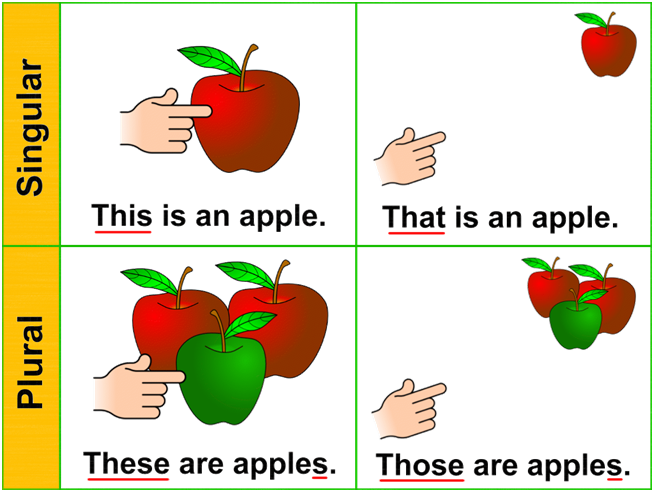
One of the most important things to understand is the difference between those and these.
Both words are used for plural nouns, but they generally indicate different distances.
These usually refers to things that are close to the speaker.
Those usually refers to things that are farther away.
For example:
- These shoes are comfortable.
- Those shoes are uncomfortable.
If the shoes are near you, you might say these shoes. If they are across the room, you might say those shoes.
The same concept can apply to time and ideas.
For example:
- These days, people use smartphones frequently.
- Those days were very different.
Here, these days refers to the current period, while those days refers to a past period.
Examples of “Those” in Everyday English
Understanding examples is one of the easiest ways to learn how to use those correctly.
Consider these sentences:
- Those students are studying for their exams.
- Can you move those chairs?
- Those are my favorite movies.
- I remember those beautiful summer evenings.
- Those buildings were constructed many years ago.
- Who owns those bicycles?
- Those cookies smell delicious.
- I don’t understand those instructions.
- Those people helped us yesterday.
- Are those your keys?
These examples demonstrate that those can refer to objects, people, ideas, and experiences.
Those for Talking About the Past
The word those is sometimes used when discussing past experiences, periods, or situations.
For example:
- I miss those days.
- Those were exciting times.
- I remember those moments clearly.
- Those experiences taught me many lessons.
In these sentences, those does not necessarily refer to something physically far away. Instead, it can create a sense of distance in time.
This makes those useful in storytelling, personal writing, essays, and conversations about memories.
Those in Formal and Academic Writing
Those is also common in formal and academic writing. Writers can use it to refer to previously mentioned groups, examples, or concepts.
For example:
“Students who regularly practice writing often develop stronger communication skills than those who rarely write.”
In this sentence, those refers to “students who rarely write.” The word prevents unnecessary repetition and makes the sentence more concise.
Another example is:
“Modern businesses require different skills from those needed in traditional workplaces.”
Here, those refers to “skills.”
This type of usage is common in essays, reports, research papers, and professional documents.
Common Mistakes When Using Those
Although those is simple, learners sometimes make mistakes when using it.
Using “Those” With a Singular Noun
A common error is using those with a singular noun.
Incorrect:
“Those book is interesting.”
Correct:
“That book is interesting.”
If the noun is singular, use that. If the noun is plural, use those.
Correct:
“Those books are interesting.”
Confusing Those With These
Another common mistake is choosing those when the speaker means something nearby.
For example, if you are holding several books, you would normally say:
“These books are mine.”
If the books are across the room, you could say:
“Those books are mine.”
Understanding distance can make this distinction easier.
Those in Comparisons
Those can also be used when comparing one group with another.
For example:
“The products from this company are more affordable than those from its competitors.”
Here, those replaces “products.” This prevents repetition and makes the sentence sound more professional.
Another example is:
“The working conditions today are different from those of the past.”
This structure is particularly useful in formal writing because it creates clear and concise comparisons.
Why Learning “Those” Is Important
Learning small grammar words like those can significantly improve English communication. Although the word itself is short, it appears frequently in conversations, books, articles, classrooms, workplaces, and online communication.
Correct use of those helps speakers:
- Describe multiple objects clearly
- Point toward specific people or things
- Talk about past experiences
- Avoid unnecessary repetition
- Create better comparisons
- Write more naturally
- Improve grammatical accuracy
For English learners, mastering words such as this, that, these, and those provides a strong foundation for understanding demonstratives.
Tips for Remembering How to Use Those
A simple way to remember those is to associate it with plural + distance.
When talking about multiple things that are farther away, think:
Those = plural + farther away
For example:
- That = one thing, farther away
- Those = multiple things, farther away
- This = one thing, nearby
- These = multiple things, nearby
Practicing these four words together can make their differences much easier to understand.
Try creating your own sentences while looking around your environment. Point to something nearby and say “this” or “these.” Then point toward something farther away and use “that” or “those.”
Conclusion
The word those may be short, but it has an important role in English grammar. It is mainly used to refer to plural people, objects, places, ideas, or experiences that are distant in space, time, or context. It can function as both a demonstrative pronoun and a determiner.
Understanding the difference between those and these, as well as between those and that, can help English learners create more accurate sentences. The word is also valuable in academic and professional writing because it can replace repeated nouns and make comparisons clearer.
With regular practice and exposure to everyday examples, using those becomes simple and natural. Whether you are writing an essay, having a conversation, or preparing professional content, knowing how to use this small but useful word correctly can make your English more precise and effective.