

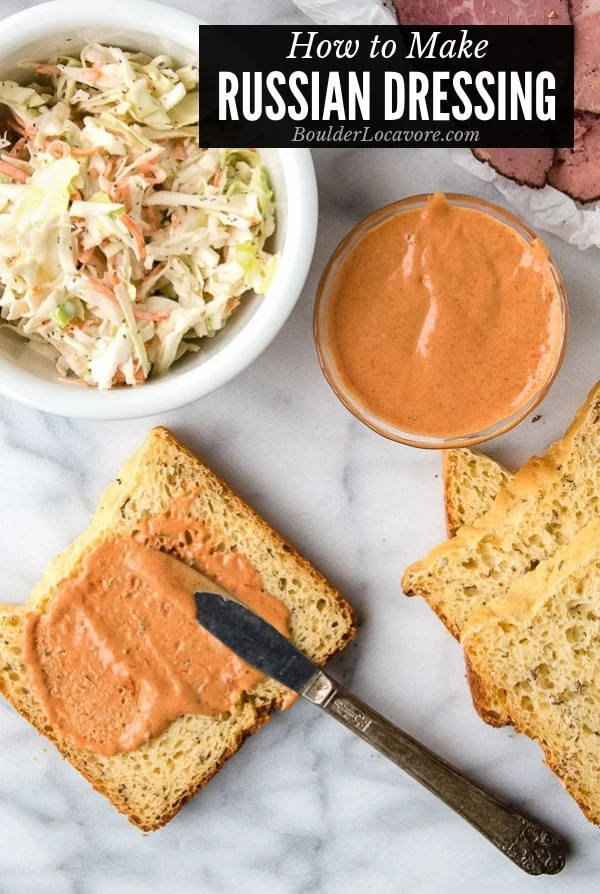
Meta Title: Russian Dressing: Ingredients, Uses, Recipe & FAQs
Meta Description: Learn what Russian dressing is, how it’s made, its history, popular uses, and an easy homemade recipe. Discover why this classic condiment remains a favorite.
Russian Dressing
Russian dressing is a tangy, creamy condiment that has been a favorite for over a century. Known for its rich flavor and smooth texture, it combines mayonnaise, ketchup, spices, and other seasonings to create a dressing that pairs well with sandwiches, salads, burgers, and appetizers.
Despite its name, Russian dressing is widely considered an American creation rather than a traditional Russian recipe. Today, it remains popular in homes, restaurants, and delis around the world.
What Is Russian Dressing?
Russian dressing is a mayonnaise-based sauce with a slightly sweet, tangy, and mildly spicy flavor. Traditional versions often include:
- Mayonnaise
- Ketchup or chili sauce
- Horseradish
- Worcestershire sauce
- Paprika
- Onion or garlic powder
- Pickle relish (optional)
- Lemon juice
The result is a creamy dressing that offers a balance of sweetness, acidity, and spice.
History of Russian Dressing
The exact origin of Russian dressing is debated, but historians generally agree it became popular in the United States during the early 1900s. One popular theory credits a New Hampshire grocer named James E. Colburn with creating the dressing.
Originally, some recipes included caviar, which may explain the “Russian” name. Over time, the recipe evolved into the creamy version most people recognize today.
What Does Russian Dressing Taste Like?
Russian dressing has a unique flavor profile that includes:
- Creamy texture
- Tangy finish
- Slight sweetness
- Mild spiciness
- Savory richness
It is generally bolder than Thousand Island dressing due to the addition of horseradish and spices.
Russian Dressing vs. Thousand Island Dressing
Although these two dressings look similar, there are several important differences.
| Russian Dressing | Thousand Island Dressing |
| More spicy | Sweeter |
| Contains horseradish | Usually no horseradish |
| Less pickle relish | More pickle relish |
| Tangier flavor | Milder flavor |
| Great for deli sandwiches | Common on salads |
Many people confuse the two because of their similar color and creamy consistency.
Common Uses for Russian Dressing
Russian dressing is incredibly versatile. Popular ways to use it include:
1. Reuben Sandwich
One of the most famous uses is on a classic Reuben sandwich with:
- Corned beef
- Swiss cheese
- Sauerkraut
- Rye bread
The dressing ties all the flavors together.
2. Salad Dressing
It works perfectly as a dressing for:
- Green salads
- Pasta salads
- Potato salads
- Coleslaw
3. Burger Sauce
Many people spread Russian dressing on burgers for extra flavor.
4. Sandwich Spread
It pairs well with:
- Turkey
- Roast beef
- Ham
- Chicken sandwiches
5. Dipping Sauce
Use it with:
- French fries
- Onion rings
- Chicken tenders
- Fried shrimp
- Vegetables
Easy Homemade Russian Dressing Recipe
Making Russian dressing at home only takes a few minutes.
Ingredients
- 1 cup mayonnaise
- ¼ cup ketchup
- 1 tablespoon prepared horseradish
- 1 teaspoon Worcestershire sauce
- 1 teaspoon lemon juice
- ½ teaspoon paprika
- Salt and black pepper to taste
- 1 tablespoon pickle relish (optional)
Instructions
- Combine all ingredients in a bowl.
- Mix until smooth.
- Taste and adjust seasoning.
- Refrigerate for at least 30 minutes.
- Serve chilled.
Nutritional Information
Approximate values per tablespoon:
- Calories: 70–90
- Fat: 7g
- Carbohydrates: 3g
- Protein: Less than 1g
- Sodium: 120–180mg
Nutrition varies depending on the recipe and ingredients used.
Storage Tips
For the best quality:
- Store in an airtight container.
- Refrigerate immediately after preparing.
- Consume within one week if homemade.
- Keep store-bought dressing refrigerated after opening.
Can You Make It Healthier?
Yes. You can create a lighter version by using:
- Light mayonnaise
- Greek yogurt
- Reduced-sugar ketchup
- Fresh lemon juice
- Low-sodium Worcestershire sauce
These substitutions reduce calories while maintaining a creamy texture.
Popular Foods That Pair Well with Russian Dressing
Russian dressing complements many dishes, including:
- Burgers
- Hot dogs
- Grilled chicken
- Roast beef
- Turkey sandwiches
- Seafood
- French fries
- Potato wedges
- Fresh vegetables
- Wraps
Frequently Asked Questions
Is Russian dressing actually from Russia?
No. Most food historians believe it originated in the United States, despite its name.
Is Russian dressing spicy?
It has a mild kick from horseradish and paprika but is not overly spicy.
Can I substitute Thousand Island dressing?
Yes, but the flavor will be sweeter and less tangy than authentic Russian dressing.
Is Russian dressing gluten-free?
Many homemade recipes are gluten-free, but always check ingredient labels on store-bought versions.
Can you freeze Russian dressing?
Freezing is not recommended because mayonnaise-based dressings may separate after thawing.
Conclusion
Russian dressing remains one of the most flavorful and versatile condiments available. Its creamy texture, tangy taste, and subtle spice make it an excellent choice for sandwiches, burgers, salads, and dipping sauces. Whether you prepare it from scratch or buy it ready-made, Russian dressing adds a delicious boost of flavor to countless meals. With simple ingredients and easy preparation, it’s a classic condiment worth keeping in your kitchen.